Wednesday, September 26, 2012

Venetian Rowing & a wonderful visit to the 'Arzana'

Learning to row 'Venetian style', that is, standing, facing forward and with a single oar that one uses to pull rather than push, was a definite highlight of our recent Venetian conference. Always on the look out for activities that offer our conference delegates something out of the ordinary plus very indicative of the locality, this one definitely met these objectives!

In an original wooden boat known as a Batela, our lesson began with a some instructions in a small narrow canal before heading out into the lagoon that surrounds Venice. We were assured that the flat bottom design of these boats makes it almost impossible to capsize, so proceeded with abandon to look like original Venetians in our endeavour (complete with the stripped shirt of the gondoliers - though I don't think I fooled anybody!) Like many things, it definitely looks easier than it is in reality but the experience was something we will remember for a lifetime.

Our wonderfully enthusiastic instructor Nan, an American who has lived in Venice for some years was really the rudder that kept the whole boat on course, but we eventually made progress and spent several delightful hours moving around the Venetian lagoon, albeit sometimes in circles, I have to admit! If ever given the opportunity to live in Venice for a length of time, this is definitely something I would love to master as it is hard to beat exercise that comes in the form of so much fun, laughter and when we were quiet, serenity.

Following this we were privileged to have an incredibly interesting tour of the 'Arzana', a museum dedicated to the preservation of the Batela, the original boat that has served as the mode of transport in Venice for centuries (basically the Ford motor car of this region). This museum is totally operated by volunteers and houses an incredible array of boats, including some original covered gondolas, plus equipment used in the making of Venetian boats that once proliferated in the canals of Venice. The Arzana Association acquired the old 'squero' which is an original building that accommodated this Venetian boat building and today is truly a 'living' museum - the passion of the participants is palpable and it was such a pleasure to spend time listening to their stories. 

With the influx of modern motor boats, this age old Venetian craft of the manufacture of wooden Batela is in danger of being lost and in essence the lagoon craft are the most identifiable image of Venice, so loosing this would be almost unthinkable! The Arzana association survive on the small contributions groups like ours give through visits (in addition to time & money from local enthusiasts), so if you are interested in Venetian rowing lessons or a group visit to the Arzana, contact http://rowvenice.com/ - I am sure your visit will be very memorable!!


Yayoi Kusama's collaboration with Louis Vuitton

On an early morning walk in Venice recently I was stopped in my tracks by the wonderfully avant guard shop windows of Louis Vuitton. They are a collaboration of Louis Vuitton's creative director, Marc Jacobs with Japanese artist Yayoi Kusama and not just in the form of window dressings, but indeed a range of handbags, sunglasses, shoes and coats.

Yayoi Kusama, born in Nanago Japan in 1929, is known for her use of repetitive pattern, bright colours and playful forms. In particular she is known for her use of polka dots.

One could not help but be inspired, delighted and uplifted when viewing the windows, which involved seemingly sinuous tentacles brightly painted in red & white polka dots and in the midst, a single handbag. The 2nd window displayed no product at all, just oversized brightly painted polka dot flowers each with a central motive reminiscent of an eye with gorgeous lashes. The windows, thoroughly original and definitely eye catching, plus the resulting Louis Vuitton collection, are a very clever melding of consumerism and commercialisation with the sometimes lofty world of art. 

I still find myself smiling widely every time I look at these photos, and in the end if art is intended to produce an emotional reaction then this one has definitely achieved its result! Full credit to Marc Jacobs for his vision in keeping this brand fresh and young and to blurring the lines between art and commercialisation.


Tuesday, September 18, 2012

"Via Ferrata" - Hiking in the Dolomite Ranges

For more than 15 consecutive years, we have operated a conference in the 2nd week of each January in the beautiful Italian town of Cortina D'Ampezzo. It is visually magnificent with the imposing Dolomite alps that surround the town covered in heavy quantities of snow and the town of Cortina filled with the passegiata (an Italian term for the parading of people) of sumptuous furs. Skiing reigns supreme!! 

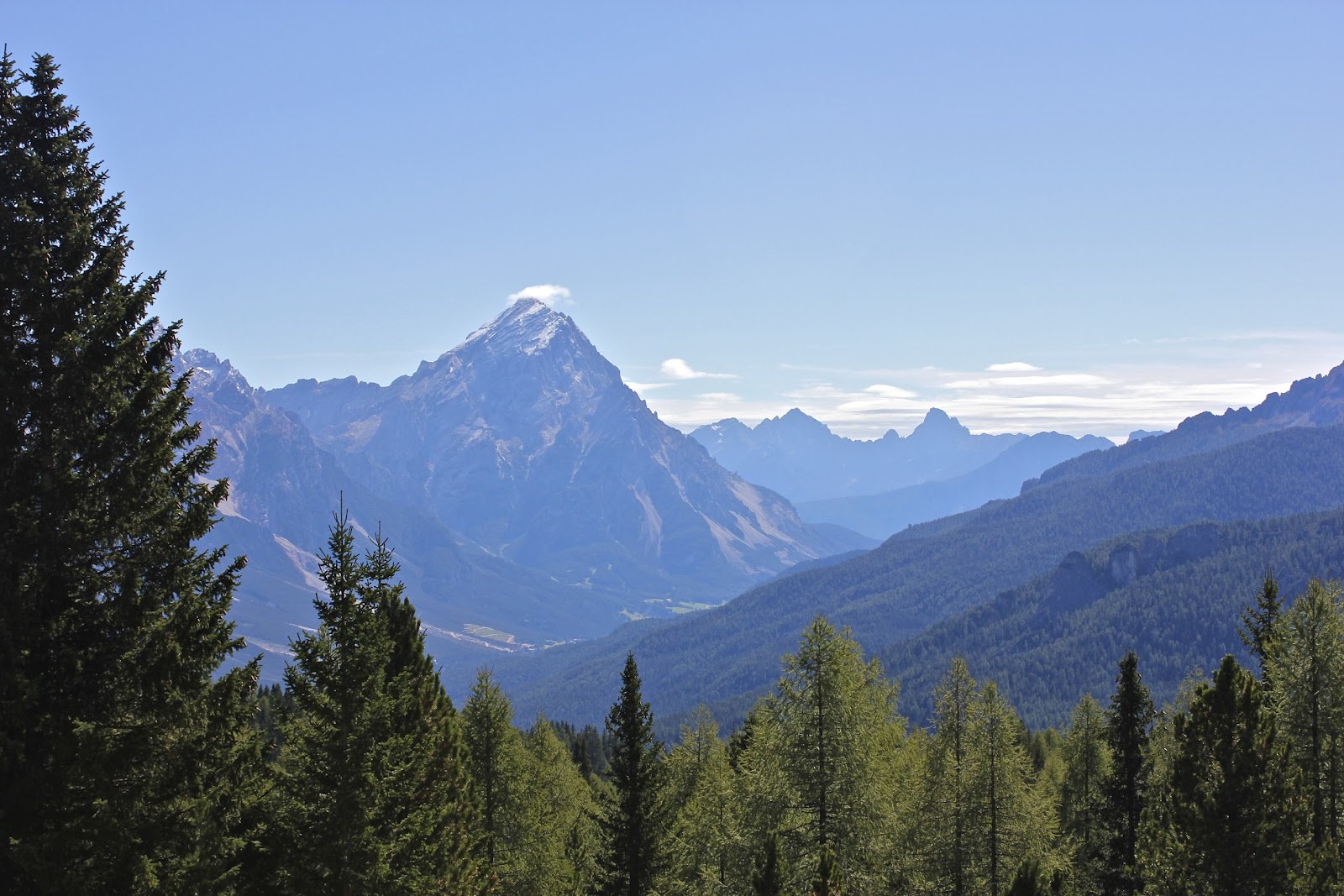
However, just last week for the first time we chose to run a conference in this familiar area in the late Summer/early Autumn period, and it was every bit as beautiful and exhilarating (maybe even more so!). The Dolomite ranges offer a variety of Summer sporting activities, including many cycling paths plus a multitude of hiking trails from beginner to the more advanced "Via Ferrata". The "Via Ferrata", (which literally means iron way) is a series of walks in the Dolomite region which uses iron "protection" in the form of ladders, rope rails and steps to join otherwise inaccessible areas. 

The history of these iron "protection" formats goes back to WW1 where this border area saw significant fighting between Austro-Hungarian and Italian soldiers to control the highest peaks for artillery and line of sight advantages. The sheer scale of the ranges, the verticality of the Dolomite mountains and the extreme weather, meant enormous troop deaths on both sides. So to try to gain safer and quicker movement through the area, the Italian troops began to  fix permanent iron grips into the rock face and thus the first "Via Ferrata" was born.

Today these hikes are an updated version of this original idea and they offer awe inspiring views across these incredible ranges. We organised several hikes of which one used a "Via Ferrata" section, climbing 2275mtrs to Riffugio Nuvolau. As Australians, this is higher than the highest point in our country, (Mt Kusciuszko 2228mtrs) so the trickiest part for us was dealing with the "thinner" air, however we took it slowly, with multiple rest breaks, and all of the group completed the hike. Not knowing the hiking trails on these mountains, plus not being very experienced hikers, we definitely felt more comfortable with having 2 guides accompany us as their knowledge and expertise is enormous.

The slopes are steep - in fact I would say very steep, and the views across the valleys to Marmolada glacier and beyond are exhilarating - though like any of these things, the difficulty is relative - our guides obviously called this an "easy" via ferrata hike - but then again they were born in this area and ski/hike/climb/walk/run/cycle these mountains every day!! 

At the conclusion of our first ever "Via Ferrata" hike we had a fabulous meal waiting for us at Rifuggio Avereau - heartily consumed with good quantities of local wine! I fully intend to return at this time of year to accomplish more of these awesome hikes - in fact I am planning to organise a dedicated hiking tour to this magnificent part of the world.


The small dot on the top of the rock is a person and the ravine below the person is where we climbed up!  


Opera House in Citta della Pieve, Umbria

In our Italian village, Citta della Pieve there is a theatre which until last week, we had only seen photos of, as our visits had not coincided with its opening. Constructed between 1830 - 1834 to the design of Giovanni Santini, a well known Umbrian architect, this little gorgeous opera house underwent a 10year renovation beginning in 1990, by local artisans Antonio & Mario Marroni. So we were thrilled to be able to glimpse its interior recently when a local band was performing. It is absolutely delightful with beautifully intricate painting on the ceiling and upper walls and 4 levels of private balconies around the perimeter. The mood of the space is "Allegro", in the true sense of the word - lively and happy. If you happen to be in this area and there is a production performing in this gorgeous opera theatre, definitely visit as it is quite astonishing that a town of this size has such a jewel of a public space.


Monday, August 13, 2012

Street Performers give a city "soul"

I love street performers and truly believe that the theatre of street art gives a city "soul". These creative people who play an instrument, act, draw on the pavement or statue-like in imaginative costumes, catch you unaware, give depth and dimension to a city. I have seen many of them across many different countries and am thrilled when I happen upon them as I wander around a city. They entertain children and adults alike. It is thus important that we support these people by giving them a reasonable amount of loose change we have, for if we don't support them, then they won't be there and we will all loose out.

So please, when you travel, or even at home, and happen to come upon a street performer, smile widely, watch their act and give them some money - there is no doubt they will definitely brighten your day!


Monday, July 30, 2012

Pretty Prague

Pretty Prague ... what a spectacular city! Gorgeous architecture that amazingly survived the ravages of World Wars unscathed, a wonderful cultural heritage, a rich and interesting history, and an old town that delights at every turn.

It was once the seat of two Holy Roman Emperors and thus the capital of the Holy Roman Empire. It flourished under the 14th century reign (1346-1378) of Charles IV, with the legacies of the Charles bridge, the Charles University and the Gothic Saint Vitus Cathedral remaining to this day. It was also important in the Habsburg monarchy and the Austro-Hungarian Empire, and after WW1 became the capital of Czechoslovakia. In 1989 after the riot police beat back a peaceful student demonstration against the one party government of communist lead Czechoslovakia, the Velvet Revolution saw the collapse of the party's control and a subsequent conversion from Czech Stalinism to a parliamentary republic. Czechoslovakia was dissolved in 1993, returning to Czech Republic and Slovakia. 

My previous visit here was spent organising events for the conference we are running, but this time we have more time to wander around and soak up the mood. These summer months allow the 'old town' area to take on a party like atmosphere as tourists and locals alike enjoy a beer and Czech music in the warmth of the summer sun. Since 1992 the historic centre of Prague has been included in the UNESCO list of World Heritage sites and there is an extensive list of museums, monuments and architectural landmarks to visit, so bring your walking shoes!


Friday, July 20, 2012

Lipari - a jewel in the Aeolian Islands


Last week we were running a conference in Lipari which is a spectacular island in the Aeolian Islands off the coast of Sicily. I have been to this island on a number of previous occasions and was so delighted to be returning as it has a beautiful calm and low key mood that truly allows one to relax into island life.

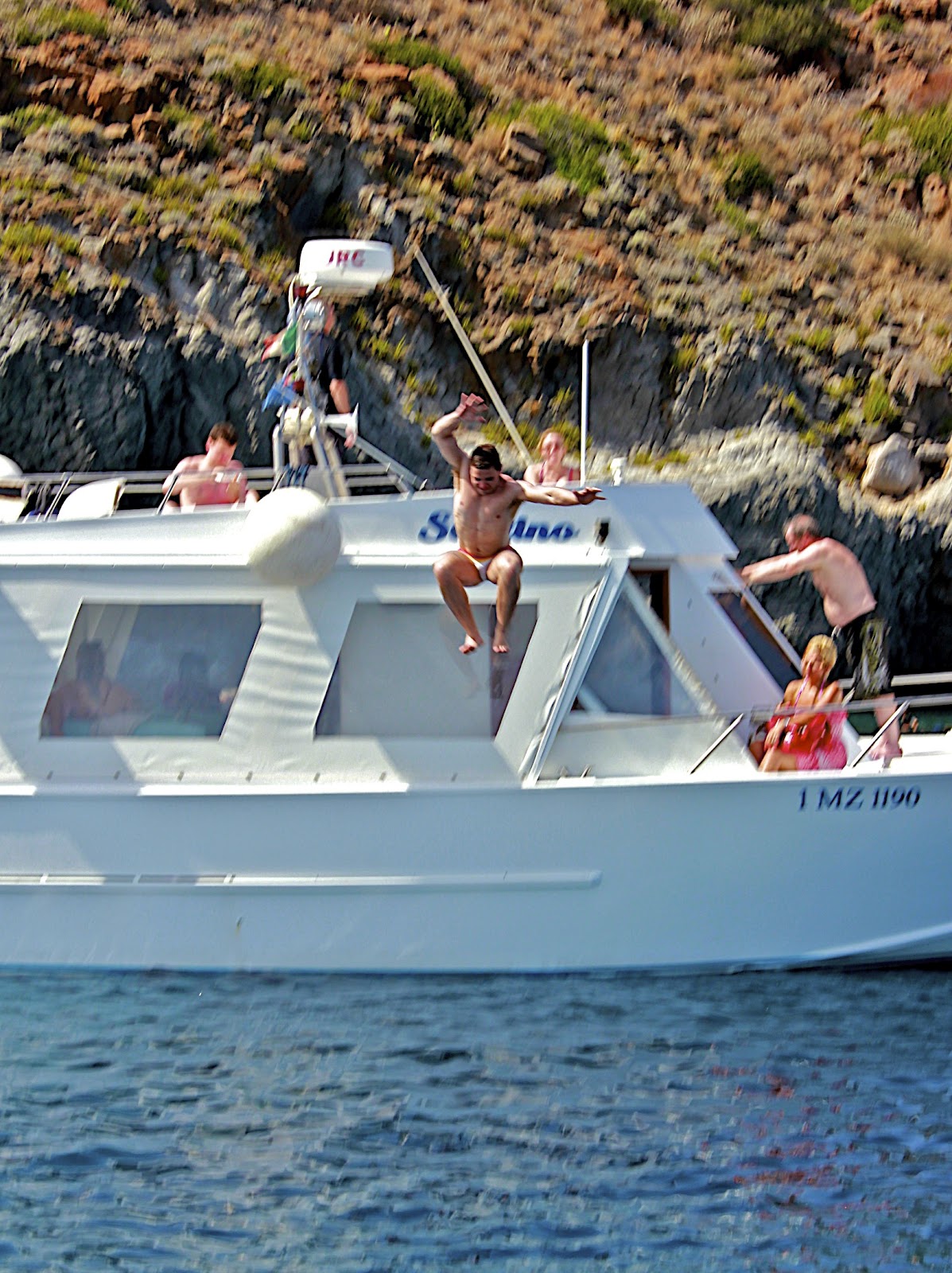
It is not easy to get to as one has to fly to Catania in Sicily, catch a bus 2 hours to Milazzo, then board a one hour ferry to arrive in the port of Lipari. Alternatively you can get a hydrofoil from Nalpes port which takes 7hours! However, this remoteness ensures the tourist numbers remain small which helps to retain its authentic Italian way of life. The surrounding water is absolutely crystal clear and several times during the week we hired boats to take us to swimming spots around the island - you can also swim off the beautiful beaches (rocks though, not fine sand like Australia), but hiring a boat gives a different perspective plus accessibility to swimming areas otherwise inaccessible.

The island has a very rich history of settlement by numerous groups dating back to 5th millennium BC and the Aeolian museum located on the site of the ancient fort houses a spectacular collection of painted ceramics, greek masks and pottery amphorae. It is definitely worth visiting as you explore this island.

An added attraction is undoubtedly the food - everyone knows Italian food is always good but here one eats enormous amounts of seafood caught daily in the surrounding waters - in particular swordfish and squid. Living here permanently you would be particularly healthy - huge quantities of seafood, walking as your main means of transport, and swimming in the clear Mediterranean ocean on a daily basis. Hard to imagine a better way of life! 

This boat is on the hunt for sword fish - with 'spotters' in the turret at the top, they inform the man on the nose at the front of the boat whose job it is to spear the fish - with no harness it is a job I would prefer to avoid!
On one of our boat journeys around the island, this BBQ boat pulled up for lunch to grill our fresh swordfish steaks!
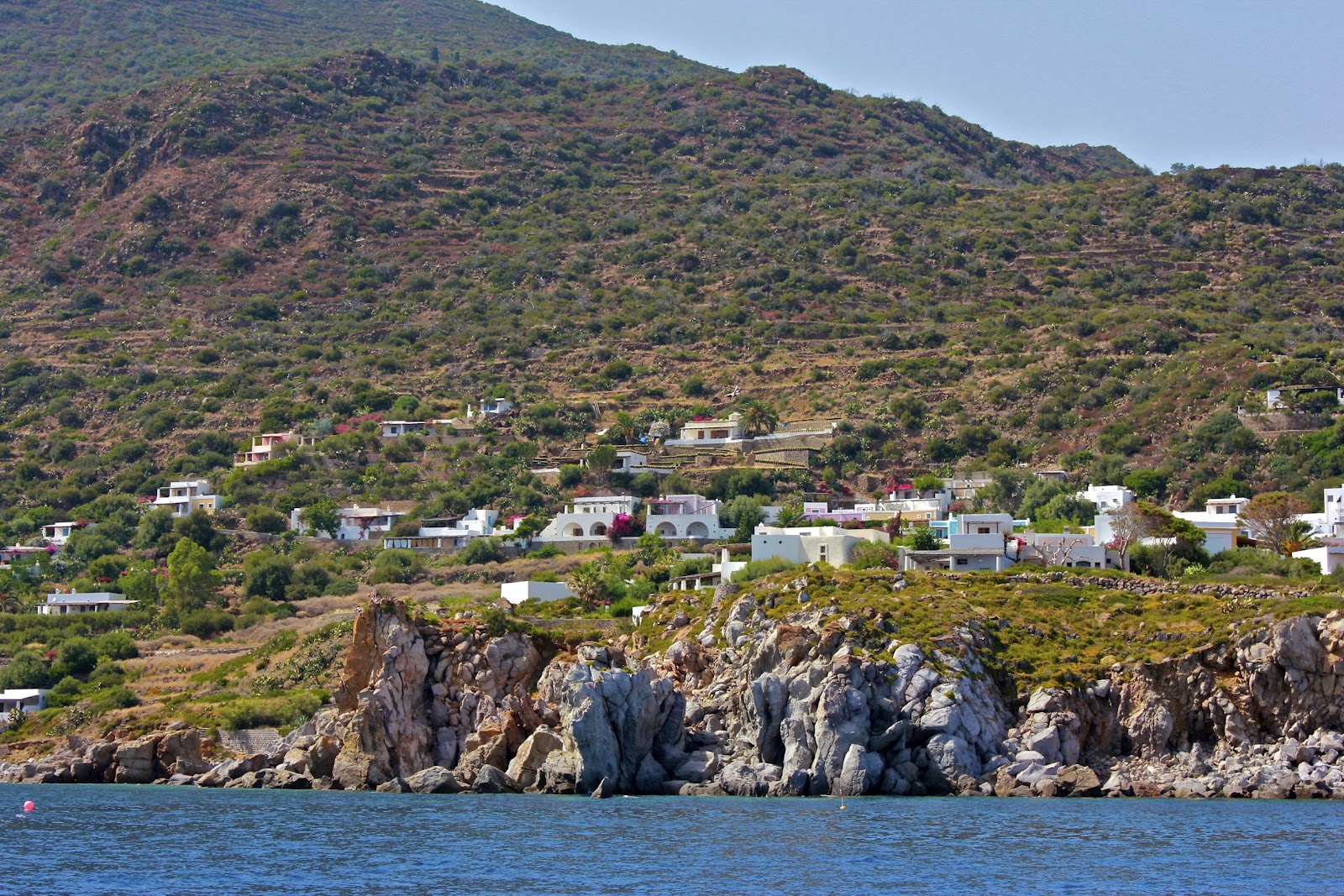
The Aeolian islands were formed through centuries of volcanic activity which explains the rocky topography. A visit to the other islands in the group such as Volcano (where they have thermal mud baths), pretty Salina where they grow capers and make delicious Malvasia wine and Panarea, a lovely resort town is certainly worth doing. Famous for its continually erupting volcano, Stromboli is also an amazing place to visit. A few years ago we trekked the 3hour trek to the top of Mount Stromboli (you begin about 6.30pm so you get to the top after nightfall) to sit on the summit for 40minutes and watch the volcano continuously explode. It was an incredible experience as there are not many times in life where one has the opportunity to scale an active volcano! However you don't have to trek for hours to see this amazing geographical phenomenon as being in a boat in the waters at the base of the volcano once night falls will also allow you a great view.